Table of Contents
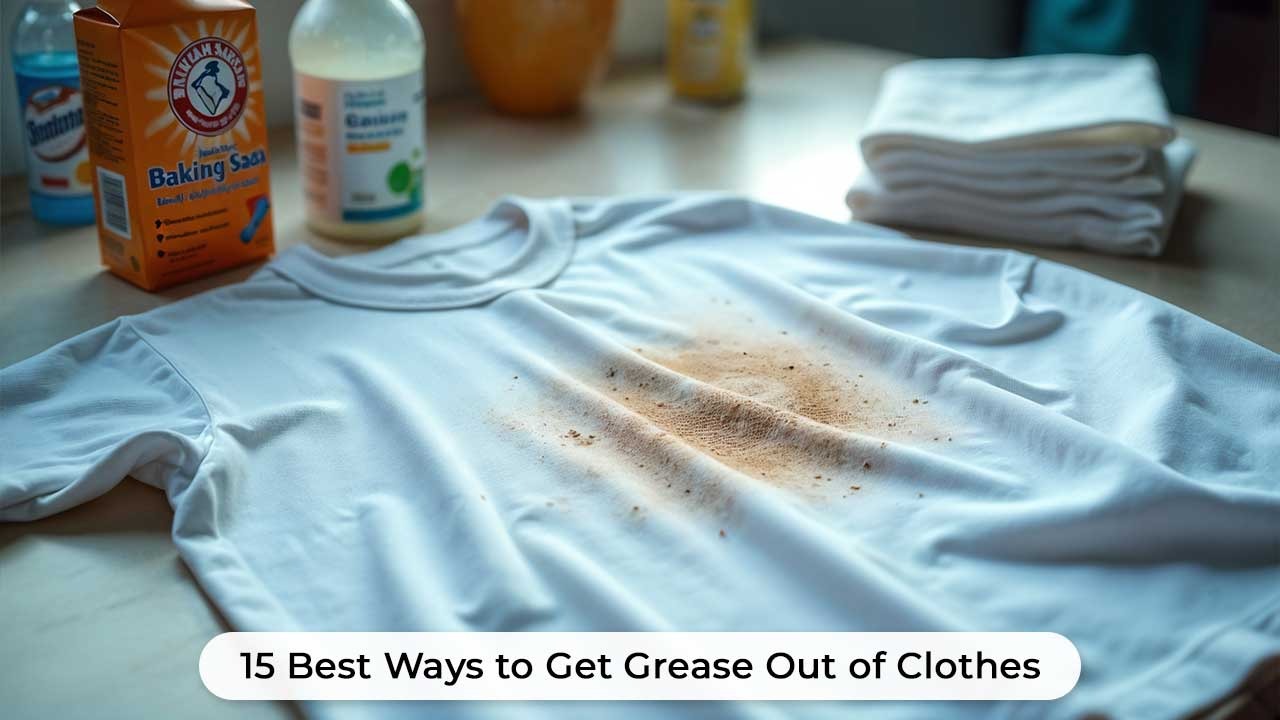
Grease stains are one of the toughest stains to remove from clothes. Whether it’s cooking oil, motor grease, or food spills, grease penetrates deep into fabric fibres and doesn’t come out easily with regular washing.
In this guide, you’ll learn the best ways to get grease out of clothes, including home remedies, fabric-specific solutions, and expert laundry tips to remove both fresh and old grease stains safely without damaging your clothes.
Why Are Grease Stains So Hard to Remove?
Grease stains are oil-based, which means they repel water. When you wash greasy clothes with only water and detergent, the oil sticks to the fabric fibres instead of lifting out. Heat from dryers can make grease stains even worse by setting them permanently.
That’s why using the right grease stain removal method based on fabric type and stain age is essential.
Get spotless clothes at your doorstep!
What Type of Grease Are You Dealing With?
Not all types of grease are identical. Here are a few categories:
Cooking grease: These are vegetable oils, butters, and even meats. They can be solved easily with household cleaners such as dish soap.
Industrial grease: This is the grease left behind in car repair shops. It needs stronger cleaners to remove them, such as WD-40 and Lestoil. These are some products that can best help you get rid of stubborn black grease on clothes.
Stain-producing body oils: They are usually lighter and more oily in nature, hence they can be removed easily with shampoos and enzyme cleaners.
Knowing what causes a stain helps in employing the right technique on how to remove grease stain from clothes.
How to Remove Grease Stains from Clothes at Home
Before trying any grease stain removal method, always check the fabric care label. Delicate fabrics like silk or wool need gentle treatment, while cotton and denim can handle stronger stain-removal methods.
1. Dish Soap
One of the easiest and most effective ways to get rid of grease is to use dish soap. It was created to wash food grease off dishes. Thus, it can be used to remove grease from fabric. The surfactants in dish soap break the bond between oil and fabric fibers, making it easy to rinse away. Use a grease-cutting brand for best results.
Steps:
- Place the fabric flat and apply a few drops of dish soap on the stain.
- Gently rub the fabric together, or use a soft brush to combine the soap with the fabric.
- Let it rest for 5 to 10 minutes until the soap fully penetrates the grease.
- Finally, rinse with warm water and take the garment through the normal laundering process.
For most washable fabrics, dish soap is highly safe. It is most effective on fresh stains. For more stubborn stains, repeat the process or pre-treat them before a warm wash.
Best for: Cooking oil, butter, and other grease stains related to food.
Get Shiny and spotless clothes at home
2. Baking Soda
Baking soda is a less abrasive substance that can naturally absorb oils, making it easier to lift grease stains from fabric. It works by absorbing the oils and helping to loosen the hold of the grease on the fibers. It also neutralizes any odors, which makes it great for cleaning as well as freshening.
This approach works particularly well for both set-in and dried grease stains. It is simple, non-toxic, eco-friendly, and perfect for those who wish to pursue green cleaning. Baking soda works well with cotton, polyester, and some blends. As with all treatments, it is advisable to test a small hidden area first.
Steps:
- Sprinkle a generous amount of baking soda over the grease stain.
- Let it sit to absorb the grease for at least 30–60 minutes.
- Brush off the powder and check the stain.
- Wash the garment as usual after repeating the brushing steps if required.
You may also scrub the stain by mixing water with baking soda to form a paste and using a soft brush or toothbrush, which allows for deeper penetration into stubborn stains.
Most helpful for: cooking grease buildups that are set in or for fabrics that carry heavy odors.
3. Baby Powder
The use of baby powder for fresh grease stains is arguably one of the best solutions, especially when on the go or without access to a full laundry setup. The powder works as an absorbent, soaking up grease before it sets on the fabric. Although the powder is not abrasive, its fine particles work to cling to the oil and lift it from the surface of the fibers.
Most fabrics, including delicate silks and rayons, are safe to use baby powder on. This makes it a good candidate for emergency stain treatments for expensive clothes. It also works wonders on oil-based makeup remnants or body oil stains while working on how to remove grease stain from clothes.
Steps:
- Place the stained fabric on a flat surface.
- Sprinkle baby powder on the grease stain generously.
- Let it sit for 1-2 hours to absorb the oil.
- Gently brush or shake off the powder.
- If needed, follow up with a pre-treatment and normal laundering.
Best for: Fresh oil stains, makeup oils, and delicates.
Flat 20% off on 1st order-
schedule free pick up
5. Salt and Stain Remover
Salt is surprisingly effective at removing grease, especially with the help of a good stain remover. The coarse structure of salt aids in lifting the grease while the stain remover works its magic below surface level, breaking down the oil. This combination can be really useful for heavier weight fabrics such as denim or canvas.
To remove the stain, blot it using a paper towel to soak up excess grease. Afterwards, generously sprinkle the area with salt. This mild abrasive will assist in absorbing the oil. After some time, apply a commercial stain remover and allow it to work for the total suggested duration. As always, finish by washing the fabric in the usual manner.
Steps:
- Blot the area to remove the excess grease stain.
- Spread salt generously over the section.
- Let salt sit for 15 to 30 minutes.
- Treat with stain remover and allow sitting for 5 to 10 minutes.
- Wash the garment in warm water.
Best for: Older or deeply set grease stains on tough fabrics.
6. Shampoo
Shampoo is a household product that works great on grease particularly those formulated for oily hair. These shampoos effectively remove oil and sebum on the scalp, so they can also treat grease stains on clothing. Shampoo is less effective on clothes than harsh detergents but gentler on delicate fabrics.
To use, pour a small amount of shampoo directly on the grease stain and using fingers or a soft brush, work it into the fabric. Leave it on for 10 to 15 minutes and then rinse using warm water. This method is beneficial to remove body oil stains on the collars or cuffs which is great for travelers without other stain removing options.
Steps:
- Put a small amount on the stain using oily hair shampoo.
- Gently massage the fabric to incorporate the shampoo.
- Wait for 10 to 15 minutes.
- Wash thoroughly with warm water.
Wash the clothing item as you normally would.
Most suitable for: Body oil marks, perspiration marks, and light textiles.
7. Chalk
Using chalk is an easy and fast way to absorb excess grease, especially when you’re not at home. The white chalk used on classroom boards is both porous and absorbent. When applied to a fresh grease stain, it works to absorb the oil before it seeps too deeply into the cloth.
Although chalk does not remove the mark entirely, it does lessen its intensity, which makes it easier to remove it later. This technique works best on small stains or as a temporary solution until the garment can be properly washed. Only use white chalk to avoid transferring dye onto your fabric.
Steps:
- Take a tissue or thin paper and gently blot the grease mark.
- Take a stick of white chalk and rub it on the affected area.
- Leave it for 10 to 15 minutes.
- Remove the excess chalk and check the stain.
- Wash the piece of clothing in warm water with detergent.
Best for: Instantly tackles fresh and light grease stains, and for urgent stain management.
8. Lestoil
Lestoil is an effective all-purpose cleaner with industrial strength, designed to break down tough grease and oil stains. It was made for intensive cleaning, so it works well in laundry situations that require more than a standard detergent. You can also use Lestoil when asking the question of how to remove black grease from clothes, as it works like magic on dense, sticky, and dark grease such as that from car engines or machinery. Lestoil removes grease and stain by penetrating the fabric fibers deeply, loosening and dissolving dirt and grease. This product can be very helpful for people working in garages, construction sites, and many other places.
Steps:
- Pour a small amount of Lestoil directly onto the grease stain.
- Allow it to soak into the fabric for 10-15 minutes.
- Gently blot or scrub with a soft cloth or brush over the area.
- Launder in hot water if the fabric allows.
- Repeat this process if necessary till the stain is completely gone.
Best for: work uniforms soiled with automotive grease, black grease, and mechanical oil.
9. Hairspray
Hairspray helps remove small and fresh stains of grease. Hairspray has alcohol content that helps break down oils, making it easier to lift the stain. Hairspray is best for quick, desperate measures when other grease-removal products are not available.
Steps:
- Position a towel or cloth under the clothing to catch any excess liquid that may drip from the clothes.
- Spray directly on the stain. Don’t be shy to use generous amounts.
- Leave it there for about 10 minutes for the hairspray to do its magic.
- Dab the stain with a clean cloth or paper towel and do not rub.
- Wash the area with warm water.
- Wash as normal using detergent.
Caution: Alcohol may cause discoloration on delicates or synthetic blends, so do not apply this method to these fabrics.
Best for: Everyday fabrics with light and fresh stains.
10. WD-40
WD-40 is an industrial-grade solvent that works surprisingly well for removing stubborn grease stains, particularly those from motor oil or machinery. Though it’s more commonly found in garages than laundry rooms, its grease-cutting power makes it a strong choice for treating heavy, set-in stains if you are looking for solution for how to remove grease stains from clothes.
Steps:
- Spray a light amount of WD-40 directly onto the grease stain.
- Let it rest for five to ten minutes so the oil can be broken down.
- Blot with a clean cloth or paper towel to lift the grease.
- Put a few drops of dish soap on the same area. Scrub gently with a soft brush.
- Thoroughly rinse using warm water.
- Wash the garment normally.
Best for: Set-in, thick black grease or motor oil marks on work clothes made of sturdy fabrics.
11. Dry Cleaning Solvent
Dry cleaning solvents are specifically formulated to remove greasy, oily residues without water. It is a favorite among professionals, but is also available for home use. Its effectiveness comes from its ability to gain access to the fabric and dissolve oil-based substances. This is useful for delicate fabrics such as wool, silk, rayon or structured garments that cannot be submerged in water.
Procedures:
- Place a clean paper towel or absorbent cloth under the stained section of the garment.
- Soak a clean cotton swab or cloth with dry cleaning solvent.
- Gently blot the stain—do not rub it, as this can spread the grease.
- Keep blotting until the stain starts to lift.
- Let the area dry naturally.
- If needed, repeat the steps or consult a professional dry cleaner for advanced treatment.
Ideal for: Blazers, wool coats, and other garments labeled “dry clean only,” as well as delicate fabrics.
12. Aloe Vera Gel
Aside from treating burns, aloe vera gel helps lift light grease stains. Aloe vera has natural enzymes and saponins that dissolve the oily bonds in a stain. On a molecular level, these enzymes dismantle the grease, and, as an anti-inflammatory, aloe’s soothing properties help. It is safe for sensitive materials, making it perfect for those looking for non-toxic and eco-friendly options.
This works best with light to medium stains, particularly those caused by food oils such as salad dressing, butter, or olive oil. Its gel-like consistency prevents soaking too much into the fabric, which makes it preferable for spot cleaning.
Steps:
- Spread pure aloe vera gel generously on the stain.
- Rub it gently with your fingers or a soft cloth.
- Leave it undisturbed for 15–20 minutes.
- Rinse using warm water.
- Wash the clothing in the usual manner.
Best for: marks from light cooking oil and soft fabrics.
13. Enzyme Cleaner
An enzyme cleaner is a cleaning agent that uses biological enzymes as its active ingredient. They may be used to remove proteins, oils, or other organic substances. In laundry, enzyme cleaners are often used for heavily soiled items, especially where there are stains of blood, sweat, and grease from food. The benefit of using enzyme cleaners is that they can work on a microscopic scale—disintegrating the grease at the molecular level.
This type of cleaner has a high affinity to natural fibers such as cotton and linen. They are effective for both newly deposited as well as older grease stains. It is vital to use proper product instructions and directions when using enzyme cleaners. Most have a temperature range or duration of contact time within which they function best for activation or temperature for the enzymes to be properly set.
Steps:
- Apply enzyme cleaner directly to the stain.
- Give it 15 to 30 minutes so that the enzymes can work on the grease.
- If necessary, gently scrub the area with a soft brush or cloth.
- Use warm water for rinsing.
- Follow laundering guidelines for the treatment of the item.
Best for: Stains resulting from natural oils and grease, food-based oils, and fabrics that include cotton or linen.
14. Iron and Paper Towel Method
This method is useful for drawing grease out of fabric using an absorbent surface. It is best for deep-set old, or heavy stains. Controlled application of heat helps to loosen grease, allowing it to be drawn to paper towels or bags placed above.
This method is harsh and can damage delicate fabrics, so care should be taken when using this approach. It is best to pre-treat other stain removers such as dish soap or spray for efficient use.
Steps:
- Cover the stain using a paper towel or a brown paper bag.
- Set the iron to low/medium heat with no steam.
- Press the iron over the paper for a few seconds gently.
- Shift to a fresh part of the paper and do it again.
- Complete the removal process with dish soap or a stain remover.
Best for: Thick layers of grease accumulation and as a pre-treatment for multi-layered greasy stains.
15. Commercial Degreasers
Stubborn grease and oil stains are no match for heavy-duty commercial degreasers. These products can be found in hardware or automotive stores. They contain potent grease cutting solvents and surfactants that dissolve grease on contact. They’re exceptional for black grease or motor oil stains where household solutions are ineffective.
These degreasers are often marketed as safe for multiple surfaces and labeled as safe to use on fabrics. As always, test first and read the instructions. Use with gloves in a well-ventilated area to avoid skin irritation or inhalation of strong fumes.
Steps:
- Directly spray or apply the degreaser onto the stain.
- Let it rest for the indicated time on the label, typically 5 to 15 minutes.
- Gently scrub with a brush to release the loosened grease.
- Warm rinse water should be used for washing.
- Follow the care instructions to wash the garment.
Best for: Set-in industrial black grease, motor oil, and other stains. This method works wonders for those who want to know how to remove black grease from clothes.
16. Dishwashing Liquid Method (Best for Fresh Grease Stains)
Dishwashing liquid is designed to break down oil, making it one of the most effective ways to remove grease stains from clothes.
Steps:
Blot excess grease using a paper towel.
Apply a few drops of dishwashing liquid directly onto the stain.
Gently rub with your fingers or a soft brush.
Rinse with warm water and wash as usual.
This method works best for cotton, polyester, and denim fabrics.
How to Remove Old and Set-In Grease Stains from Clothes
Old grease stains are harder to remove because the oil has bonded with the fabric fibres. To remove set-in grease stains, apply baking soda or cornstarch to absorb the oil, followed by dishwashing liquid treatment before washing.
Fabric-Wise Grease Stain Removal Tips
Different fabrics react differently to grease stain removal methods. Using the wrong technique can cause colour fading or fabric damage.
Cotton & Denim:
Use dishwashing liquid or baking soda. These fabrics can handle gentle scrubbing.
Synthetic Fabrics (Polyester, Nylon):
Avoid excessive heat. Pre-treat with liquid detergent before washing.
Delicate Fabrics (Silk, Wool):
Sprinkle talcum powder to absorb grease and consult professional dry cleaning services for safe removal.
Common Mistakes to Avoid While Removing Grease Stains
Do not put greasy clothes in the dryer before stain removal
Avoid rubbing stains aggressively on delicate fabrics
Never use hot water on fresh grease stains
Do not mix multiple chemicals together
Expert Laundry Tip by Tumbledry
At Tumbledry, our fabric care experts recommend treating grease stains immediately and avoiding heat until the stain is completely removed. For expensive or delicate garments, professional dry cleaning is the safest option to prevent permanent damage.
Conclusion
Grease stains may seem stubborn, but with the right techniques and timely action, they can be removed effectively without damaging your clothes. From dishwashing liquid and baking soda to fabric-specific care methods, choosing the correct grease stain removal solution makes all the difference.
Always remember to avoid heat until the stain is completely gone and follow fabric care labels to prevent permanent damage. For delicate or expensive garments, professional fabric care is always the safest option.
If you’re dealing with other tough stains, we also have detailed guides on how to remove turmeric stains from clothes and how to remove tea stains from clothes, where we share proven home remedies and expert laundry tips.
With the right stain removal knowledge and proper garment care, keeping your clothes clean, fresh, and long-lasting becomes effortless.
Disclaimer: The opinions expressed in this article are those of the author. They do not necessarily purport to reflect the values or views of Tumbledry.
Subscribe to us:
Sign up to get more such information & get the best deals on professional cleaning