Cleaning curtains is not an easy task to...
Read More
Situated in the western lands of India, bordered by Pakistan, stands the glorious state of Gujarat. Also known as the land of the Gurjans, Gujarat is a burst of colours, prints, embroideries and craftsmanship. Acclaimed for its Chaniya Cholis, that’s not all Gujarat has to offer! From a wide range of embroideries to different handloom weaving techniques, entire communities practice block printing to intricate works of tie and dye, with all of this finding its roots in the state. The rich range of textiles owes to the people of different communities, castes, tribes and regions of the state, who kept the age-old traditions alive.
The evolution of Gujarati traditional dress is closely linked to the state’s geography, climate, trade history, and cultural diversity. Gujarat has been a major textile hub since ancient times, with global recognition for Patola silk, Bandhani tie-dye, and Kutch embroidery.
Historically, Gujarat was a thriving trade centre connecting India with the Middle East, Africa, and Europe. This exposure influenced local dressing styles, fabrics, and embellishments. Over time, traditional Gujarati clothing became deeply associated with festivals, rituals, and social status, especially in rural and semi-urban communities.
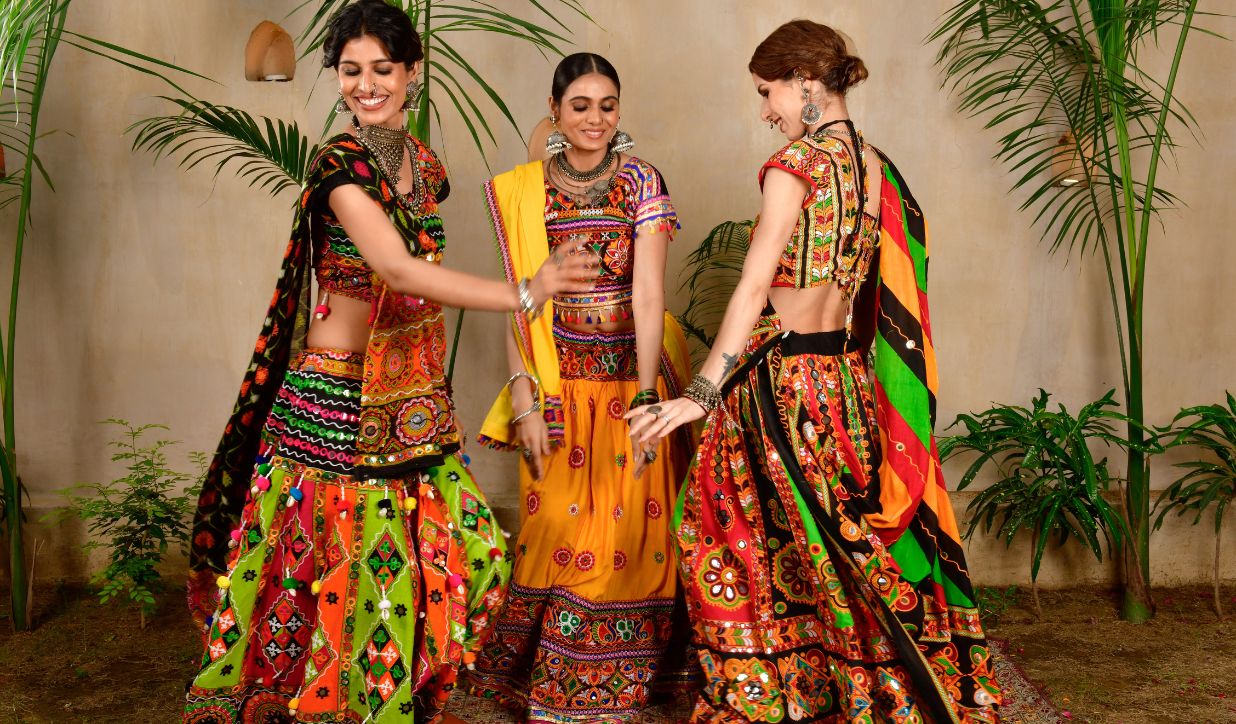
The traditional attire of Gujarati women is colourful, elegant, and heavily adorned with embroidery and mirror work. Each outfit varies by region but maintains a strong cultural essence.
Chaniya Choli – The Iconic Gujarati Outfit
Chaniya Choli is the most popular traditional dress of Gujarat for women. It consists of:
This outfit is widely worn during Navratri Garba nights, weddings, and cultural celebrations. The chaniya choli is often decorated with mirror work, patchwork, embroidery, and vibrant colours.
Bandhani Saree
The Bandhani saree is one of the oldest forms of tie-and-dye textiles in India. Originating from Kutch and Jamnagar, Bandhani sarees are known for their tiny dotted patterns created by tying fabric before dyeing.
They are traditionally worn during auspicious occasions such as weddings, religious ceremonies, and festivals.
Patola Saree
Patola sarees, woven in Patan, Gujarat, are among the finest handwoven silks in the world. Made using the complex double ikat weaving technique, Patola sarees are luxurious, durable, and symbolise royalty and heritage.
The traditional dress for men in Gujarat is a Dhoti and Kurta, which is always accessorized with a Phento, a sort of turban. For occasions like festivals, these people are found wearing a Kediyu and Chorno that is designed with elaborate hand embroidering. The tribals also wear these.
Gujarati traditional clothing stands out because of its unique fabrics and textile techniques.
Bandhani (Tie-Dye Fabric)
Bandh ani fabric is created by tightly tying small sections of cloth and dyeing it in vibrant colours. The result is beautiful dotted patterns that are both traditional and timeless.
Patola Silk
Patola silk is a high-quality silk fabric known for its geometric patterns and colour fastness. These sarees can last for generations if properly cared for.
Ajrakh Fabric
Ajrakh is a hand block-printed fabric originating from Kutch. It is characterised by symmetrical patterns and natural dyes, making it eco-friendly and breathable.
Mashru Fabric
Mashru fabric combines silk and cotton, offering the richness of silk with the comfort of cotton. It was traditionally worn by royalty and remains popular in ethnic wear.
Kutch Embroidery Fabric
Kutch embroidery features bold threadwork, mirror embellishments, and vibrant colours, making it a defining element of Gujarati traditional attire.
Want a professional dry cleaning of traditional clothes?
Festivals play a vital role in preserving traditional clothing in Gujarat.
Navratri
During Navratri, women wear colourful chaniya cholis, while men dress in kediyu and dhoti. The outfits are designed for ease of movement during Garba and Dandiya.
Weddings
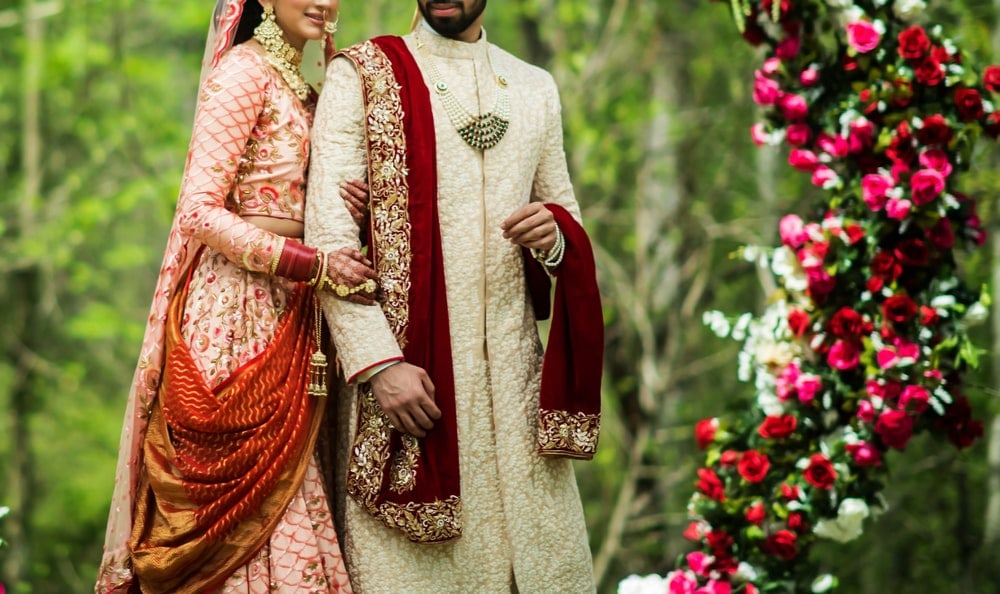
Gujarati weddings feature elaborate traditional attire, including Patola sarees for brides and embroidered kediyu outfits for grooms.
The oxidized jewels are in resonance with Gujarat state. The females adorn their body in a different design made up of silver jewelry. Balis, baajubands, and kils, to kandoras, all the dresses of Gujarat females are encased in oxidized jewelry. Women also sport elaborate key ring holders that accentuate the midway point.
Don’t have time to remove stains?
The textiles, broadly classified into three categories, are processed through printing and dyeing, embroidery, and handloom weaving.
Some famous examples of commercial embroidery are Zardosi, Aari work, and Soof embroidery. But that’s not all! All the tribes of Gujarat have their respective embroideries as well, and the women of all these castes have done them in their spare time. These are Rabari work, Heer Bharat work, Abhla work, Sindhi Tarupa work, and Moti work or bead work.
The Ajrakhpur of Gujarat is itself the homeland of the block printing method called “Ajrak”, which obtains the effect by resist dyeing. Batik and “Sandagiri” are other forms of printing carried out by craftsmen there.
Despite modern fashion trends, the traditional dress of Gujarat continues to thrive due to its comfort, cultural significance, and adaptability. Designers frequently incorporate Gujarati fabrics and embroidery into contemporary ethnic wear, keeping the tradition alive.
The traditional dress of Gujarat is a vibrant expression of the state’s history, craftsmanship, and cultural diversity. From elegant Patola sarees and colourful Bandhani fabrics to festive chaniya cholis and kediyu outfits, Gujarati traditional clothing continues to captivate people across generations. With proper care and appreciation, these timeless garments remain a proud symbol of India’s rich textile heritage.
Chaniya Choli for women and Kediyu-Dhoti for men are the most famous traditional dresses of Gujarat.
Bandhani, Patola silk, Ajrakh, and Mashru fabrics are commonly used in traditional Gujarati attire.
Bandhani represents Gujarat’s ancient dyeing tradition and is widely worn during festivals and ceremonies.
Disclaimer: The opinions expressed in this article are those of the author. They do not necessarily purport to reflect the values or views of Tumbledry.
Cleaning curtains is not an easy task to...
Read MoreBlankets are one of those bedding pieces that...
Read MoreCleaning curtains is not an easy task to...
Read MoreRemoving an ink stain is not only possible...
Read MoreMany of us have been to Gujarat and...
Read MoreIn this new blog, we are here with...
Read MoreSarees are all time favorite for women, whether...
Read MoreIn India, women are looking for both accessories...
Read MoreThis diwali, if you are also concern of...
Read MoreShoe material analyzed to decide the cleaning methodology.
The laces, sole, and other removable parts are separated to be cleaned individually.
Any spots or stains are removed with German organic chemicals.
All the bacteria, viruses and bad odor is eliminated.
Shoes are Air Dried, Blow Dried, or Sun Dried depending on the skin type.
Shoe skin is nourished & enriched with our unique natural oil based polish
Once polish is dried, our experts reassemble all shoe parts and pack them for delivery.
Try it once to feel the difference
Carpet Cleaning

An intense, deep-cleaning of carpets to restore their original glory
We specialize in dry cleaning of Persian rugs, silk & Turkish carpets, and all other premium, imported rugs of nylon, wool, cotton, polyester and olefin.
WOOLENS DRY CLEANING

Our Woolmark approved Lagoon system is the world’s most advanced and eco-friendly technology for dry cleaning woolen garments – sweaters, coats, furs, shawls, pashmina, and jackets.
Your woolen garments will be delivered stain free, and will retain their original texture, smoothness, fluffiness, shape & size. Our advanced systems and processes ensure zero shrinkage.
For expensive and delicate woolens like furs & pashmina, we use special eco-friendly chemicals from Germany which are of neutral ph, and form a protective covering around wool fiber to maintain its shine & lustre after dry cleaning.
CURTAIN CLEANING

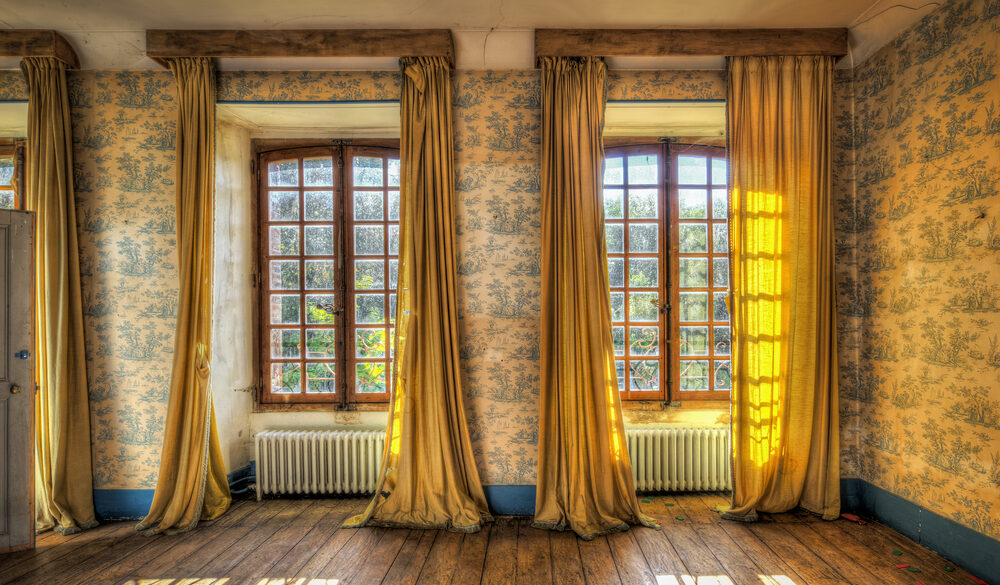
Premium curtain dry cleaning service service with facility to remove the curtains from rods and install them back after dry cleaning.
Leather Dry Cleaning

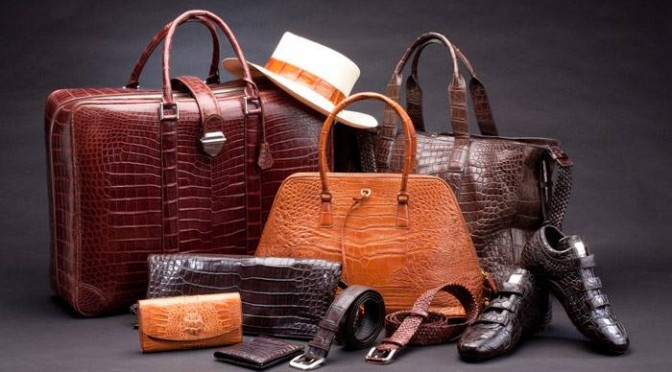
Professional leather dry cleaning for jackets, bags, purses, clutches, wallets, belts, shoes, boots and stilettos.
Protect your leather items from dirt, dust, oil stains, perspiration, dehydration, mold & mildew.
Our expert leather care technicians inspect each item with utmost care to assess the color, shade, and type of leather, and accordingly decide the most appropriate treatment.
Complimentary conditioning and polishing to ensure smooth & shining finish
Shoes/Bag Cleaning & Restoration

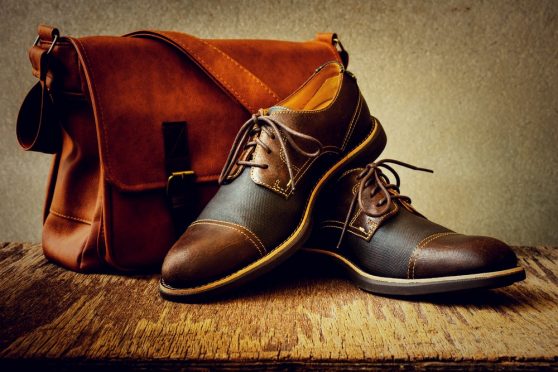
Experts in dry cleaning of Sports, Canvass, Leather, Suede, Nubuck Shoes, Sneakers, Boots, Sandals and Canvass, Jute, Leather & Suede Bags
Following Restoration Services are also available:
Haute CouturE Dry CleaniNG

Want to restore the glory of your haute couture? Look no further than Tumbledry!
We have a separate team of processing experts who handle your most expensive silk, bridal & designer wear for dry cleaning. Each Haute Couture article is given a customized treatment in our state of the art dry cleaning facility.
Our team has more than a decade experience of dry cleaning most delicate and expensive silk sarees, including: Banarasi silk, Kanjivaram/Kanchipuram silk, Baluchari silk, Bomkai silk, Tussar silk, Chanderi silk, Dharmavaram silk, Banglori silk, Mysore silk, and Patola silk.
Be it Manish Malhotra, Tarun Tahiliani, Masaba Gupta, or Sabyasachi Mukherjee – we have got tons of experience dry cleaning fashion articles from most popular designer houses. We understand the nuances of the make and design, as well as the fabric structure used by these designer houses – and this enables us to give the perfect treatment to these haute couture articles