How To Remove Pilling From Clothes: Check Easy Hacks Here

How To Remove Pilling From Clothes

Table of Contents

You take your favourite sweater out of the wardrobe, only to notice tiny lint balls all over it. The fabric looks rough, old, and worn out, even though the garment itself might still be perfectly usable. These small balls of tangled fibers are known as fabric pilling, and they’re one of the most common problems people face with everyday clothing.

The good news is that pilling doesn’t mean your clothes are ruined. In fact, once you understand how to remove pilling from clothes, you can restore the fabric’s smooth appearance and extend the life of your garments significantly.

From simple home remedies to professional fabric care methods, this guide will explain everything you need to know about removing pilling from clothes safely, why it happens, and how to prevent it in the future.

Premium Dry Cleaning

Starts here!

What Is Fabric Pilling?

Fabric pilling refers to the formation of small fiber balls, often called lint balls, fuzz balls, or fabric pills on the surface of clothing. These pills form when loose fibers break away from the fabric and tangle together due to friction.

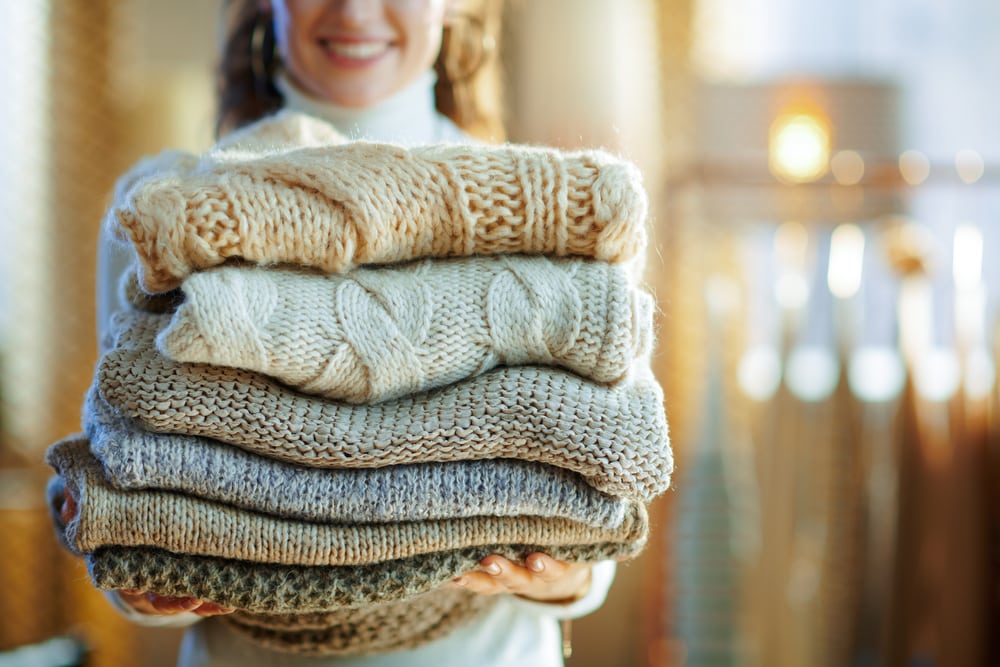
Pilling is especially noticeable on:

  • Sweaters

  • Wool garments

  • T-shirts

  • Polyester blends

  • Blankets

  • Activewear

Although pilling may make clothes look old, it is usually a cosmetic issue rather than fabric damage.

Why Do Clothes Pill?

Understanding the reason behind pilling helps in both removing it properly and preventing it in the future.

1. Fabric Friction

Pilling mainly occurs when fabrics rub against surfaces or other fabrics during wear or washing.

Examples include:

  • Underarm areas

  • Sleeve edges

  • Inner thighs of pants

  • Areas under bags or backpacks

2. Loose Fabric Fibers

Some fabrics naturally have loose fibers that detach easily and form pills.

Common pilling-prone fabrics include:

  • Wool

  • Polyester

  • Acrylic

  • Cotton blends

3. Washing Machine Agitation

Strong wash cycles cause excessive friction between garments, which accelerates pilling.

4. Low-Quality Fabric Construction

Clothes made with short fibers tend to pill faster because loose fibers escape easily.

Want expert care for your Clothes? Try Tumbledry

How To Remove Pilling From Clothes

Removing pilling is easier than most people think. Here are the most effective methods used by professionals and fabric experts.

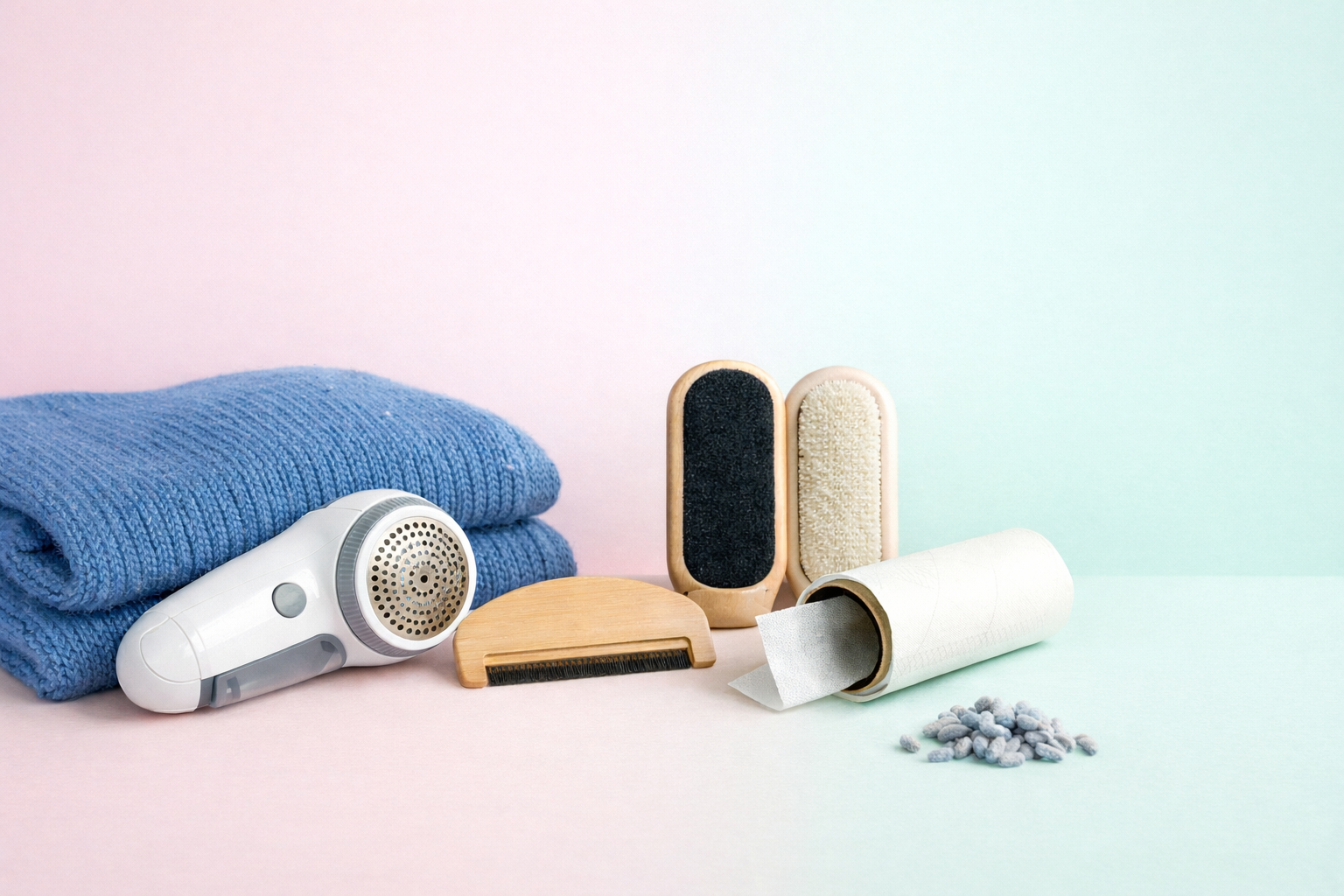
1. Use a Fabric Shaver

A fabric shaver is one of the safest and most effective tools to remove pilling from clothes.

It works by gently shaving off lint balls from the fabric surface without damaging the garment.

How to Use a Fabric Shaver

  1. Lay the garment flat.

  2. Turn on the fabric shaver.

  3. Move it gently across the fabric surface.

  4. Collect the removed lint in the shaver container.

Fabric shavers work well for:

  • Sweaters

  • Wool coats

  • T-shirts

  • Blankets

This is the method most commonly used by professional garment care services.

2. Remove Pilling with a Razor

A simple disposable razor can also help remove pills from clothes.

Steps to Follow

  1. Place the garment on a flat surface.

  2. Stretch the fabric slightly.

  3. Gently glide the razor across the pills.

Important: Use light pressure to avoid cutting the fabric.

This method works best for:

  • Cotton garments

  • Sweaters

  • Knit fabrics

3. Use a Lint Roller

Lint rollers are great for removing loose pills and fuzz from clothes.

Although they may not remove deeply attached pills, they are useful for quick fabric refresh.

Best used for:

  • Blazers

  • T-shirts

  • Wool coats

  • Polyester garments

4. Use Adhesive Tape

If you don’t have a lint roller, adhesive tape can work as a quick alternative.

Simply wrap tape around your hand (sticky side out) and gently dab the fabric.

This helps remove loose pills and surface lint.

5. Try a Pumice Stone or Sweater Comb

A sweater comb or pumice stone can effectively remove pilling from thicker fabrics.

These tools work by catching the lint balls and pulling them away from the surface.

Ideal for:

  • Wool sweaters

  • Heavy knitwear

  • Winter garments

6. Use Velcro for Heavy Pilling

Velcro can also help remove pills.

Lightly rub the hook side of Velcro across the fabric surface to catch lint balls.

However, this method should be used carefully to avoid damaging delicate fabrics.


7. Professional Fabric Care

If a garment is expensive or delicate, professional garment care services use specialized tools to safely remove pilling without harming the fabric.

Professional methods include:

  • Industrial fabric shavers

  • Steam treatment

  • Fiber restoration

This is often recommended for luxury garments, coats, and premium knitwear.

Pro Tip: If you don’t have much time to invest in stain removal and cleaning, then you can seek professional help like Tumbledry Dry Cleaning Service for spotless cleaning with free pickup and delivery service.

Which Fabrics Pill the Most?

Some fabrics are more prone to pilling than others.

High Pilling Fabrics

  • Wool

  • Acrylic

  • Polyester blends

  • Cotton blends

Low Pilling Fabrics

  • Linen

  • Silk

  • High-quality cotton

  • Denim

Higher-quality fabrics usually use longer fibers, which resist pilling.

How To Prevent Clothes From Pilling

Removing pilling is useful, but preventing it is even better.

Here are simple habits that reduce fabric pilling.

Wash Clothes Inside Out

Turning garments inside out reduces friction on the visible surface of clothing.

This simple step significantly reduces pilling.

Use Gentle Wash Cycles

Harsh wash cycles create more friction.

Use:

  • Gentle cycle

  • Delicate wash

  • Low spin settings

Avoid Overloading the Washing Machine

Overloading causes clothes to rub excessively against each other.

Leave enough space for garments to move freely.


Wash Similar Fabrics Together

Rough fabrics can damage softer fabrics during washing.

For example:

  • Wash denim separately

  • Avoid mixing sweaters with heavy fabrics

Use Mild Detergents

Strong detergents weaken fabric fibers, making pilling more likely.

Choose gentle fabric-friendly detergents.

Air Dry Clothes

Dryers increase fabric friction and heat damage.

Whenever possible:

  • Air dry clothes

  • Dry in shade

  • Avoid over-drying

Common Laundry Mistakes That Cause Pilling

Many people unknowingly cause pilling through incorrect laundry habits.

Mixing Heavy and Light Fabrics

Denim rubbing against cotton shirts increases pilling.

Using High Heat

Heat damages fibers and encourages lint formation.

Washing Clothes Too Frequently

Frequent washing weakens fabric fibers.

When Should You Replace Pilled Clothes?

Not all pilled garments need replacement.

You can restore most clothes easily with depilling methods.

However, replacement may be necessary when:

  • Fabric becomes thin

  • Structural damage appears

  • Pills return immediately after removal

Otherwise, simple maintenance can extend garment life significantly.

Tips to Maintain Luxury Bags for Long-Term Use

Cleaning is important, but proper maintenance prevents damage.

Store Bags Properly

Always store luxury bags in dust bags.

Maintain Shape

Use tissue paper or bag inserts.

Avoid Overloading

Too much weight can distort the bag structure.

Clean Regularly

Light cleaning prevents deep stains.

Rotate Bags

Avoid using the same bag daily.

Proper care can significantly extend the lifespan of designer bags.

Hurry Up & Get 20% off on first order with Tumbledry

Conclusion

Pilling of fabric, which results in clothes that look worn out, is, however, an issue that can easily be addressed. By learning how to remove pilling from clothes, utilizing tools such as fabric shavers, or sweater combs, and improving laundry habits, you can ensure that your clothes remain smooth for a long time.

Maintenance of clothes, proper washing, and fabric care can extend the lifespan of your clothes while ensuring that they remain in good condition. As the saying goes, a little fabric care can ensure that your clothes, even if old, look as good as new.

FAQs

Not always. Even high-quality fabrics like wool can pill due to natural fiber friction.

Dry cleaning alone does not remove pills, but professional cleaners often use special tools to remove pilling safely.

Fabric softener may reduce friction slightly, but it does not completely prevent pilling.

Disclaimer: The opinions expressed in this article are those of the author. They do not necessarily purport to reflect the values or views of Tumbledry.

Subscribe to us:

Sign up to get more such information & get the best deals on professional cleaning

Curtain Cleaning by Fabric Type

schedule Free Pick Up

Our 7 Step Process For Spotless Shining Shoes!

Seven Step Process 2

Try it once to feel the difference

  • Inspection

    Shoe material analyzed to decide the cleaning methodology.

  • Dismantling

    The laces, sole, and other removable parts are separated to be cleaned individually.

  • Deep Cleaning & Stain Removal

    Any spots or stains are removed with German organic chemicals.

  • Deodorize (Anti-bacterial Treatment)

    All the bacteria, viruses and bad odor is eliminated.

  • Drying

    Shoes are Air Dried, Blow Dried, or Sun Dried depending on the skin type.

  • Shoe Nourishment

    Shoe skin is nourished & enriched with our unique natural oil based polish

  • Assembly

    Once polish is dried, our experts reassemble all shoe parts and pack them for delivery.

Try it once to feel the difference

Carpet Cleaning

Carpet Dry Cleaning Service by Tumbledry

An intense, deep-cleaning of carpets to restore their original glory

We specialize in dry cleaning of Persian rugs, silk & Turkish carpets, and all other premium, imported rugs of nylon, wool, cotton, polyester and olefin.

  • 100% carpet fabric color & luster preserved
  • Eco-friendly, pet and child-safe detergents
  • Anti germ treatment & deodorization
  • Mold damage reversal
  • Complimentary border pasting

WOOLENS DRY CLEANING​

shutterstock 1658641876

Our Woolmark approved Lagoon system is the world’s most advanced and eco-friendly technology for dry cleaning woolen garments – sweaters, coats, furs, shawls, pashmina, and jackets.

Your woolen garments will be delivered stain free, and will retain their original texture, smoothness, fluffiness, shape & size. Our advanced systems and processes ensure zero shrinkage.

For expensive and delicate woolens like furs & pashmina, we use special eco-friendly chemicals from Germany which are of neutral ph, and form a protective covering around wool fiber to maintain its shine & lustre after dry cleaning.

CURTAIN CLEANING​

curtain dry cleaning and laundry service

Premium curtain dry cleaning service service with facility to remove the curtains from rods and install them back after dry cleaning.

  • Processing as per curtain fabric type (silk, velvet, blackout etc)
  • Zero shrinkage guaranteed with our Italian technology
  • 99% stain removal promise
  • 100% shine & lustre maintained with our German organic chemicals
  • Crisp, wrinkle free steam iron
  • Complimentary curtain ring replacement

Leather Dry Cleaning

Leather Dry Cleaning at Tumbledry

Professional leather dry cleaning for jackets, bags, purses, clutches, wallets, belts, shoes, boots and stilettos.

Protect your leather items from dirt, dust, oil stains, perspiration, dehydration, mold & mildew.

Our expert leather care technicians inspect each item with utmost care to assess the color, shade, and type of leather, and accordingly decide the most appropriate treatment.

Complimentary conditioning and polishing to ensure smooth & shining finish

Shoes/Bag Cleaning & Restoration

shutterstock 400663813 e1634736771725

Experts in dry cleaning of Sports, Canvass, Leather, Suede, Nubuck Shoes, Sneakers, Boots, Sandals and Canvass, Jute, Leather & Suede Bags

    • Gentle chemicals and conditioners to maintain the color & fabric.
    • Mink & Lanolin Oil Nourishment
    • Spotless cleaning of laces, straps, insoles, and inner lining
    • Disinfection with our German deodorizers

Following Restoration Services are also available:

    • Sole pasting
    • Inner sole replacement
    • Damaged collar replacement
    • Inner lining replacement
    • Heel replacement
    • Sole replacement
    • Re coloring
    • Laces replacement

Haute CouturE Dry CleaniNG

Men Dry Cleaning 4 min

Want to restore the glory of your haute couture? Look no further than Tumbledry!

We have a separate team of processing experts who handle your most expensive silk, bridal & designer wear for dry cleaning. Each Haute Couture article is given a customized treatment in our state of the art dry cleaning facility.

Our team has more than a decade experience of dry cleaning most delicate and expensive silk sarees, including: Banarasi silk, Kanjivaram/Kanchipuram silk, Baluchari silk, Bomkai silk, Tussar silk, Chanderi silk, Dharmavaram silk, Banglori silk, Mysore silk, and Patola silk.

Be it Manish Malhotra, Tarun Tahiliani, Masaba Gupta, or Sabyasachi Mukherjee – we have got tons of experience dry cleaning fashion articles from most popular designer houses. We understand the nuances of the make and design, as well as the fabric structure used by these designer houses – and this enables us to give the perfect treatment to these haute couture articles