Dry Clean vs Wash: The Fabric Truth Most People Miss

Dry Clean vs Wash
Dry Clean vs Wash

Table of Contents

Most people believe that doing laundry is easy, just throw your clothes in the washing machine, and you’re good to go. However, when you see the label on a piece of clothing that says “Dry Clean Only,” confusion sets in. Do you really need to dry clean your clothes? Is washing really that bad? Or is dry cleaning just a rip-off?


The fact of the matter is that dry clean vs. wash is not a matter of convenience or money. It’s actually a matter of fabric science. And this is the fabric science that most people don’t know.

Using the wrong process to clean your clothes can damage them beyond repair. This can happen through shrinkage, fading, rigidity, color bleeding, or weakened fibers. In this comprehensive guide, we will reveal the actual difference between dry cleaning and washing, and we will give you the knowledge you need to make better decisions for your clothes.

What Is the Real Difference Between Dry Clean and Wash?

But most fundamentally, the distinction is in the process of cleaning the fabric.

Washing Clothes

  • Involves the use of water and detergent
  • Depends on agitation to remove dirt
  • It is good for daily and tough fabrics

Dry Cleaning Clothes

  • Involves the use of liquid solvents rather than water
  • It is good for dissolving oil-based stains and is gentle on fabrics
  • The main difference is in the use of water. And for most fabrics, water is the worst enemy.

Why “Dry Clean vs Wash” Is Not a One-Size-Fits-All Decision

Most clothing damage doesn’t happen while wearing, it happens during cleaning.

People often miss these facts:

  • Some fabrics weaken when wet

  • Some dyes bleed only in water

  • Some garments lose shape due to agitation

  • Some embellishments dissolve or rust in moisture

Understanding fabric behavior is more important than following habits.

The Fabric Truth Most People Miss

Here’s the truth:
It’s not about dirt, it’s about how the fabric reacts to water and movement.

Two garments can look similar but behave very differently when washed. That’s why blindly choosing wash over dry clean (or vice versa) is risky.

Dry Clean vs Wash: Fabric-Wise Breakdown (The Part Most People Ignore)

Cotton: Wash or Dry Clean?

What people think: Cotton is always washable
The truth: Not all cotton behaves the same

  • Lightweight cotton → Safe to wash


  • Heavy cotton, structured garments → May shrink or lose shape


  • Printed or dyed cotton → Color bleeding risk


Best practice:
Wash casual cotton, dry clean tailored cotton garments.

Wool: The Biggest Washing Mistake

What people think: Cold water washing is safe
The truth: Wool fibers felt and shrink when agitated

Washing wool causes:

  • Shrinkage


  • Hardening


  • Loss of softness


Verdict:
Dry clean wool coats, suits, blazers, and sweaters. Hand wash only if label clearly allows.

Silk: Never Trust Water

What people think: Gentle hand wash is fine
The truth: Water strips silk’s natural sheen

Washing silk leads to:

  • Dull appearance

  • Water spots

  • Weak fibers

Verdict:
Silk should almost always be dry cleaned.

Linen: Looks Tough, Acts Delicate

What people think: Linen is strong
The truth: Linen wrinkles, shrinks, and weakens when washed improperly

Best practice:
Casual linen can be washed carefully. Structured linen garments should be dry cleaned.

Polyester & Synthetic Fabrics

What people think: Dry cleaning is unnecessary
The truth: Washing is fine—but heat damages synthetics

Verdict:
Wash in cold or warm water. Dry cleaning only for structured or embellished pieces.

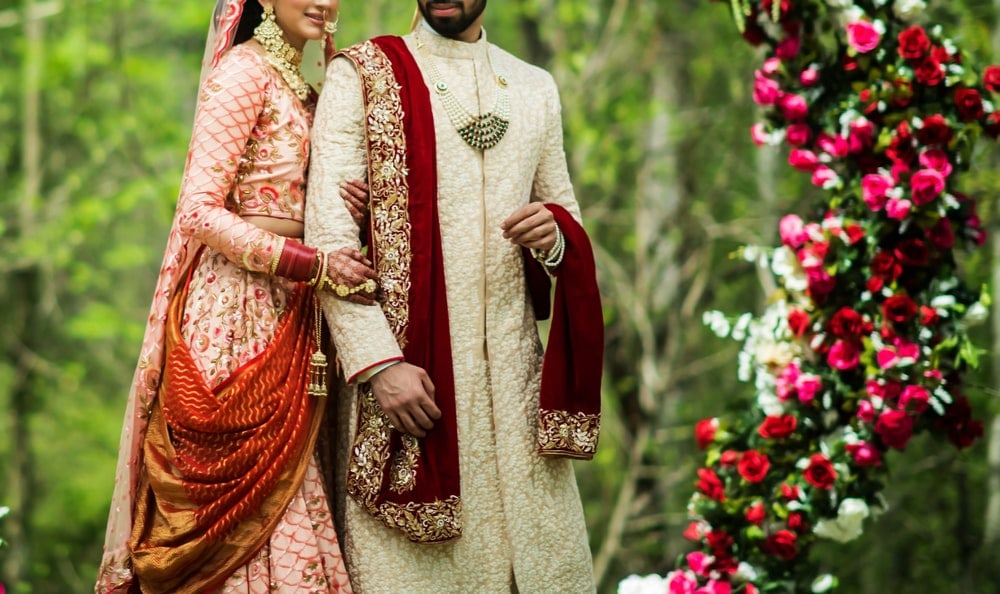
Embellished, Embroidered & Designer Wear

This is where most people make expensive mistakes.

Water can:

  • Loosen threads

  • Damage zari and sequins

  • Cause rusting or discoloration

Verdict:
Dry cleaning is non-negotiable.

In case you don’t have time to try home remedies, you can try Tumbledry Premium Dry Cleaning

Dry Clean vs Wash: How Each Affects Fabric Lifespan

Washing Too Often Causes:

  • Fiber breakage


  • Color fading


  • Loss of fit


  • Surface pilling


Incorrect Dry Cleaning Causes:

  • Over-processing


  • Fabric thinning (rare, but possible)


The fabric truth:
Correct dry cleaning actually extends garment life, while incorrect washing shortens it dramatically.

Why “Dry Clean Only” Labels Exist (And Why Ignoring Them Is Costly)

Care labels are not placed randomly, but they are the end result of extensive fabric testing conducted by the manufacturers. These labels consider the behavior of the fabric when it comes into contact with water, the fastness of the dye, if the fabric has a tendency to shrink, and the overall construction of the fabric. When you choose to disregard these labels, you are not only taking a small risk, but you are also risking damage to the fabric that can be permanent, such as color bleeding, distortion, or loss of shape.

Is Dry Cleaning Always Better Than Washing?

No, and that is another truth people miss.

Dry Cleaning Is Best For:

  • Delicate fabrics


  • Structured garments


  • Oil-based stains


  • Embellished clothes

Washing Is Better For:

  • Everyday wear


  • Sweat-heavy clothes


  • Innerwear and casuals


The smartest approach is using both correctly, not choosing one blindly.

Cost vs Value: The Hidden Equation

People often choose washing to save money. But consider this:

  • Replacing a ruined garment costs far more

  • Dry cleaning prevents early replacement

  • Correct care saves money long-term

Dry cleaning vs washing is not about cost per wash, it’s about cost per wear.

Removing toughest stain and odour is super easy with Tumbledry!

Common Myths About Dry Cleaning vs. Washing

 “Dry cleaning uses harsh chemicals only.”
“Washing is always safer.”
“Dry cleaning fades clothes.”
“Cold water washing works for everything.”

Modern garment care has evolved, but habits haven’t.

How to Decide: Dry Clean or Wash? (Simple Rule)

Ask yourself:

  1. Is the fabric delicate or structured?

  2. Does the label say dry clean only?

  3. Is the garment expensive or hard to replace?

  4. Is there embroidery, lining, or tailoring involved?

If yes, Dry clean
If no, Wash carefully

Dry Clean vs Wash: Situations Where People Go Wrong

  • Washing suits at home

  • Machine-washing silk sarees

  • Hand-washing embroidered kurtas

  • Dry cleaning daily cotton wear unnecessarily

Knowing when not to dry clean is as important as knowing when to do it.

Environmental & Skin Considerations

  • Poorly rinsed detergents can irritate skin

  • Overwashing damages fabric and environment

  • Modern dry cleaning (especially eco-friendly methods) is safer than before

Conclusion

The biggest mistake people make is treating all clothes the same.Dry clean vs. wash is not a preference, it’s a fabric requirement. When you understand how different fabrics react to water, heat, and movement, the choice becomes obvious.

The real fabric truth is simple:

  • Wash what can handle water

  • Dry clean what cannot

  • Follow labels, not habits

That’s how clothes stay newer, longer, and that’s the difference most people miss.

Frequently asked questions on removing pet hairs

Dry cleaning is better for delicate and structured fabrics, while washing works best for everyday clothes.

Yes, washing can cause shrinkage, fading, and fiber damage if the fabric is not wash-safe.

Because water can damage the fabric, dye, structure, or embellishments.

When done professionally, dry cleaning is gentler than washing for many fabrics.

Disclaimer: The opinions expressed in this article are those of the author. They do not necessarily purport to reflect the values or views of Tumbledry.

Subscribe to us:

Sign up to get more such information & get the best deals on professional cleaning

schedule Free Pick Up

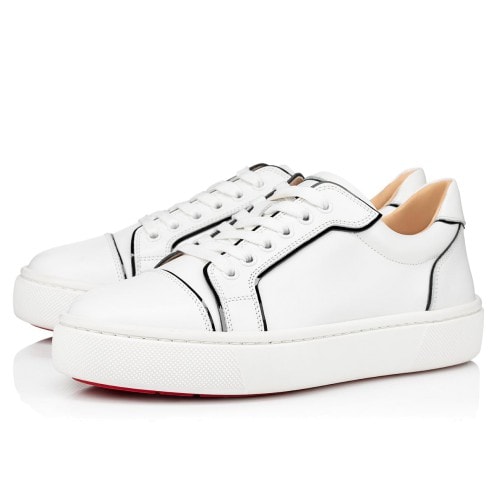
Our 7 Step Process For Spotless Shining Shoes!

Seven Step Process 2

Try it once to feel the difference

  • Inspection

    Shoe material analyzed to decide the cleaning methodology.

  • Dismantling

    The laces, sole, and other removable parts are separated to be cleaned individually.

  • Deep Cleaning & Stain Removal

    Any spots or stains are removed with German organic chemicals.

  • Deodorize (Anti-bacterial Treatment)

    All the bacteria, viruses and bad odor is eliminated.

  • Drying

    Shoes are Air Dried, Blow Dried, or Sun Dried depending on the skin type.

  • Shoe Nourishment

    Shoe skin is nourished & enriched with our unique natural oil based polish

  • Assembly

    Once polish is dried, our experts reassemble all shoe parts and pack them for delivery.

Try it once to feel the difference

Carpet Cleaning

Carpet Dry Cleaning Service by Tumbledry

An intense, deep-cleaning of carpets to restore their original glory

We specialize in dry cleaning of Persian rugs, silk & Turkish carpets, and all other premium, imported rugs of nylon, wool, cotton, polyester and olefin.

  • 100% carpet fabric color & luster preserved
  • Eco-friendly, pet and child-safe detergents
  • Anti germ treatment & deodorization
  • Mold damage reversal
  • Complimentary border pasting

WOOLENS DRY CLEANING​

shutterstock 1658641876

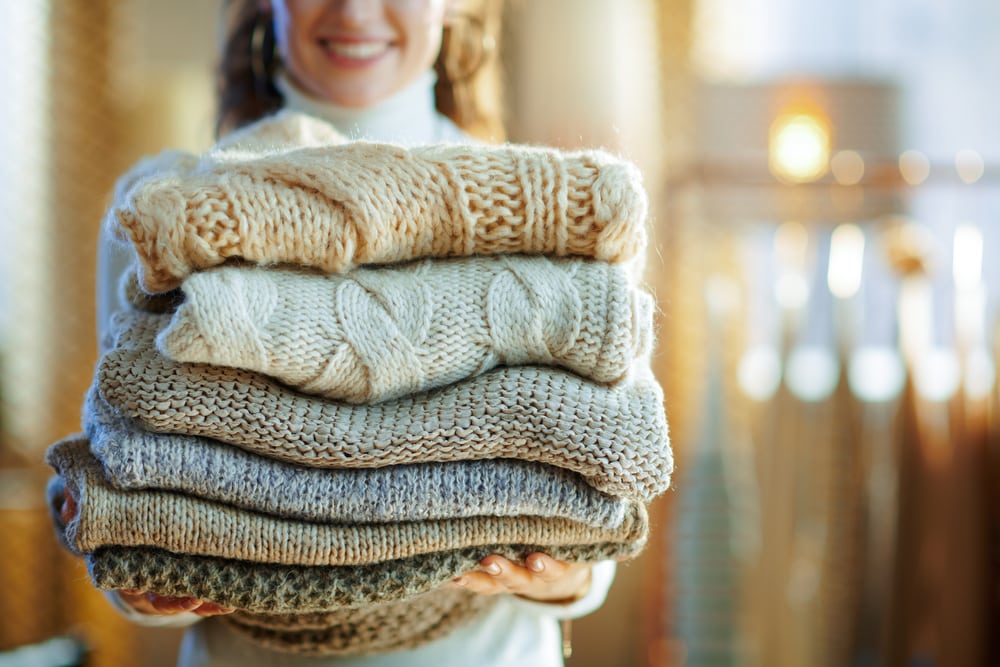
Our Woolmark approved Lagoon system is the world’s most advanced and eco-friendly technology for dry cleaning woolen garments – sweaters, coats, furs, shawls, pashmina, and jackets.

Your woolen garments will be delivered stain free, and will retain their original texture, smoothness, fluffiness, shape & size. Our advanced systems and processes ensure zero shrinkage.

For expensive and delicate woolens like furs & pashmina, we use special eco-friendly chemicals from Germany which are of neutral ph, and form a protective covering around wool fiber to maintain its shine & lustre after dry cleaning.

CURTAIN CLEANING​

curtain dry cleaning and laundry service

Premium curtain dry cleaning service service with facility to remove the curtains from rods and install them back after dry cleaning.

  • Processing as per curtain fabric type (silk, velvet, blackout etc)
  • Zero shrinkage guaranteed with our Italian technology
  • 99% stain removal promise
  • 100% shine & lustre maintained with our German organic chemicals
  • Crisp, wrinkle free steam iron
  • Complimentary curtain ring replacement

Leather Dry Cleaning

Leather Dry Cleaning at Tumbledry

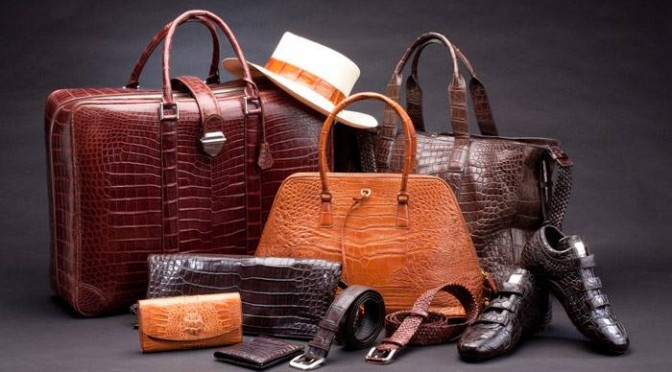
Professional leather dry cleaning for jackets, bags, purses, clutches, wallets, belts, shoes, boots and stilettos.

Protect your leather items from dirt, dust, oil stains, perspiration, dehydration, mold & mildew.

Our expert leather care technicians inspect each item with utmost care to assess the color, shade, and type of leather, and accordingly decide the most appropriate treatment.

Complimentary conditioning and polishing to ensure smooth & shining finish

Shoes/Bag Cleaning & Restoration

shutterstock 400663813 e1634736771725

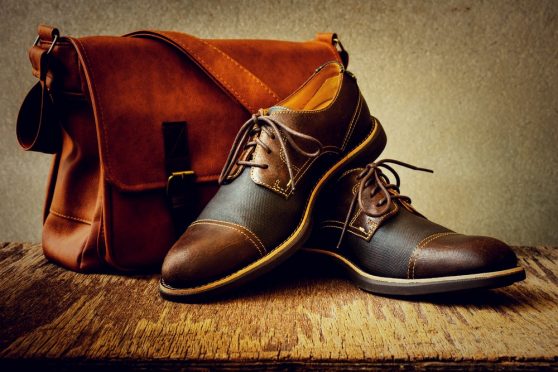
Experts in dry cleaning of Sports, Canvass, Leather, Suede, Nubuck Shoes, Sneakers, Boots, Sandals and Canvass, Jute, Leather & Suede Bags

    • Gentle chemicals and conditioners to maintain the color & fabric.
    • Mink & Lanolin Oil Nourishment
    • Spotless cleaning of laces, straps, insoles, and inner lining
    • Disinfection with our German deodorizers

Following Restoration Services are also available:

    • Sole pasting
    • Inner sole replacement
    • Damaged collar replacement
    • Inner lining replacement
    • Heel replacement
    • Sole replacement
    • Re coloring
    • Laces replacement

Haute CouturE Dry CleaniNG

Men Dry Cleaning 4 min

Want to restore the glory of your haute couture? Look no further than Tumbledry!

We have a separate team of processing experts who handle your most expensive silk, bridal & designer wear for dry cleaning. Each Haute Couture article is given a customized treatment in our state of the art dry cleaning facility.

Our team has more than a decade experience of dry cleaning most delicate and expensive silk sarees, including: Banarasi silk, Kanjivaram/Kanchipuram silk, Baluchari silk, Bomkai silk, Tussar silk, Chanderi silk, Dharmavaram silk, Banglori silk, Mysore silk, and Patola silk.

Be it Manish Malhotra, Tarun Tahiliani, Masaba Gupta, or Sabyasachi Mukherjee – we have got tons of experience dry cleaning fashion articles from most popular designer houses. We understand the nuances of the make and design, as well as the fabric structure used by these designer houses – and this enables us to give the perfect treatment to these haute couture articles